
When problems occur in the foregut area of the esophagus, stomach, and upper small intestine, they can cause significant discomfort and affect your ability to eat and live comfortably.
While many foregut conditions can be managed with lifestyle changes and medication, surgery is often the most effective and lasting solution. Our goal at NewYork-Presbyterian/Columbia is to restore comfort, function, and quality of life.

What sets us apart
Identify the Cause
Every evaluation at our Foregut Surgery Program starts with identifying the underlying cause of your symptoms.
Personalized Treatment
If surgery is right for you, we build a treatment plan around it. If another approach would serve you better, we connect you with the right specialist.
Second Opinions
Considering surgery, or had a previous operation that didn't solve the problem? We welcome second-opinion consultations.
Who We Treat
Our foregut surgery team cares for adults with a wide range of upper digestive conditions. As a referral center for complex cases, we offer advanced diagnostic testing, minimally invasive and robotic surgery, and revisional procedures.
Symptoms We Evaluate
You may benefit from a surgical foregut evaluation if you have:
- Reflux, pain after eating, or food getting stuck after bariatric surgery
- Heartburn or reflux that persists despite medication
- Reflux controlled with medication that you'd prefer not to take long-term
- Regurgitation of food or liquid
- Difficulty with food passing into the stomach
- Chest pressure or upper abdominal pain after eating
- A hiatal, paraesophageal, or other diaphragmatic hernia found on imaging or endoscopy
- Symptoms that persist or return after a previous reflux, hernia, or other foregut operation
Conditions We Treat
Our surgeons treat adults with:
- Gastroesophageal reflux disease (GERD)
- Hiatal and paraesophageal hernias
- Morgagni, Bochdalek, and other diaphragmatic hernias
- Gastric volvulus
- Achalasia and other swallowing disorders
- Gastroparesis that has not responded to medical treatment
- Median arcuate ligament syndrome (MALS) confirmed on imaging
- Reflux, pain after eating, or food getting stuck after weight-loss surgery
- Recurrent or persistent symptoms after previous foregut operations
Surgical Treatment Options
Treatment is tailored to your diagnosis, prior treatment, and goals. We perform these procedures using minimally invasive laparoscopic and robotic techniques. Depending on the condition, options may include:
- Repair of hiatal, paraesophageal, and other diaphragmatic hernias
- Fundoplication (partial or complete) for reflux
- LINX magnetic sphincter augmentation for appropriately selected patients
- Heller myotomy for achalasia
- Gastric electrical stimulation or pyloroplasty for gastroparesis
- Median arcuate ligament release
- Conversion of sleeve gastrectomy to gastric bypass, and revision of other previous weight loss / bariatric operations
- Revision of previous hernia repairs, fundoplications, and other foregut operations

Back on Her Horse: Bridgette LeConey’s Journey to Recovery
Comprehensive Care Centers and Programs
At NewYork-Presbyterian/Columbia, our team of foregut surgeons works closely with gastroenterologists, oncologists, radiologists, and other specialists to determine the best treatment plan for each patient. Together, we evaluate whether surgery is the right approach for your specific condition or if non-surgical options such as medication or observation may be appropriate.

Reflux & Hiatal Hernia Program
We offer comprehensive surgical evaluation and treatment for chronic reflux, hiatal and paraesophageal hernias, and recurrent hernias or symptoms after previous repair, including fundoplication and the LINX Reflux Management System for appropriately selected patients.

Esophageal Disorders Program
Our team of highly skilled foregut surgeons, experienced medical clinicians, and leading esophageal disease researchers offer the latest and safest minimally invasive treatments for swallowing disorders and esophageal cancer.
Gastroparesis Program
For patients whose gastroparesis has not improved with dietary changes and medication, our gastroparesis program offers surgical options including gastric electrical stimulation (Enterra) and pyloroplasty.
Peritoneal Dialysis Placement Program
Peritoneal dialysis (PD) is a treatment for kidney failure that gives patients greater flexibility and independence than traditional hemodialysis. It requires a thin tube called a catheter to be implanted into the abdomen for access, which our foregut surgeons can place safely and efficiently.

Weight Loss Surgery
Obesity and foregut disease often overlap, particularly reflux and hiatal hernia. Because our surgeons perform both foregut and bariatric surgery, patients who would benefit from weight-loss surgery, or who have symptoms after a previous bariatric operation, can be evaluated for both.
Program Highlights
A Collaborative Approach to Care
Our foregut surgeons work closely with specialists across the Newyork-Presbyterian/Columbia network–including gastroenterologists, dieticians, and specialized nursing–to make sure every aspect of your care is covered.
Accurate Diagnosis Before Surgery
Foregut symptoms can come from several different conditions, and the right operation depends on identifying the underlying problem. We may use endoscopy, esophageal manometry, pH monitoring, contrast imaging, and other specialized testing to confirm whether surgery is the right choice and which procedure will work best.
A Premium on Convenience
With same-day coordination of tests and services and an emphasis on thorough and reliable follow up care, we make it our priority to give you the smoothest medical experience possible.
Smaller Incisions, Faster Recovery
Most of our foregut operations are performed using minimally invasive laparoscopic and robotic surgery techniques, which allow complex repairs through small incisions and support a faster recovery. Columbia has one of the region's largest robotic surgery programs.
Expertise in Complex and Revisional Foregut Care
Many patients come to NewYork-Presbyterian/Columbia after earlier treatment has not provided lasting relief, or when symptoms return after a previous procedure. Our surgeons have extensive experience with recurrent hiatal and paraesophageal hernias, persistent reflux, difficulty with food passing into the stomach, and complications of prior foregut operations.
Leaders in Foregut Research
The most advanced treatments start with the latest discoveries. NewYork-Presbyterian/Columbia is the epicenter for foregut disease research and can offer patients access to clinical trials and options unavailable elsewhere.
Our Team
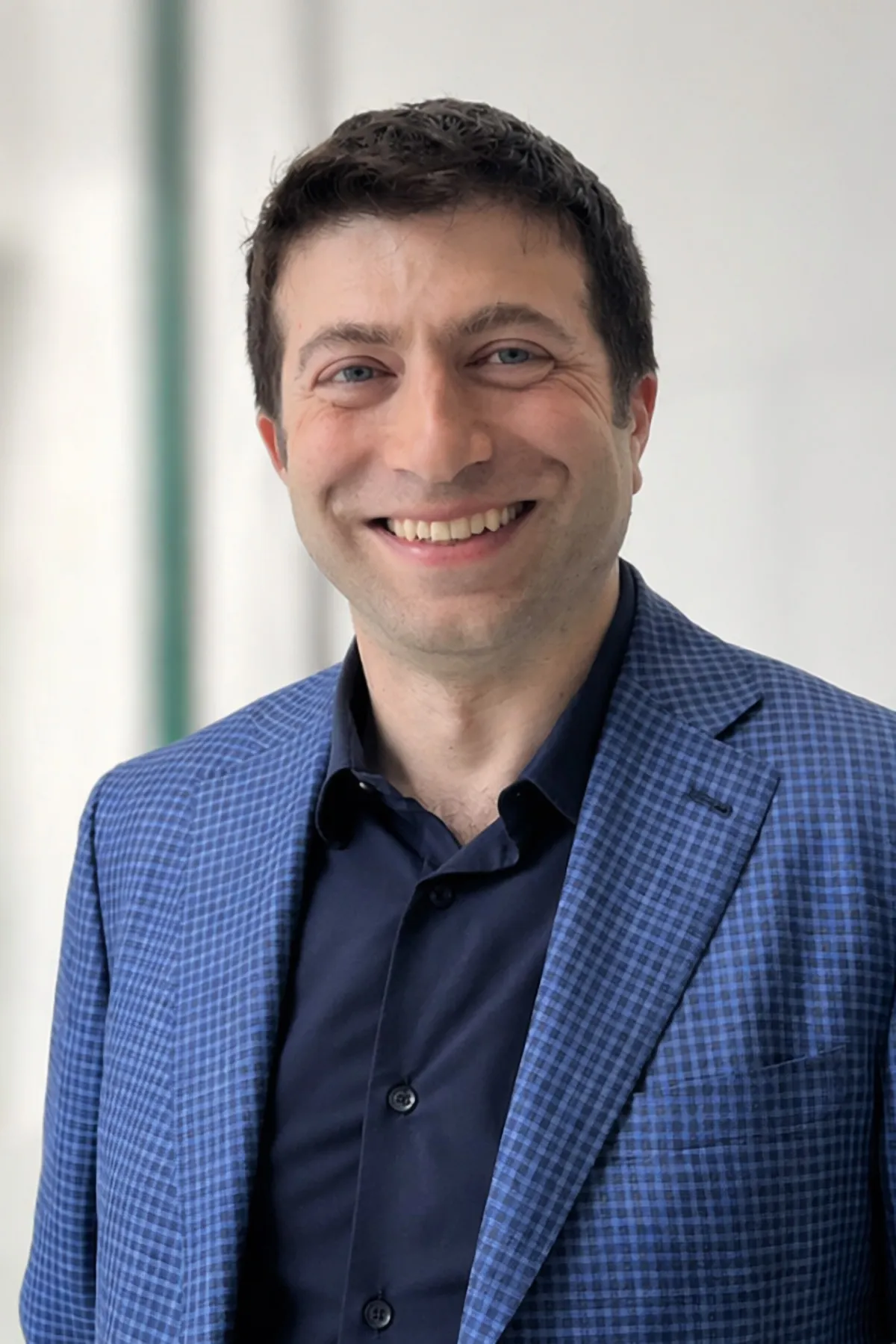
Abraham Krikhely, MD
Chief, Division of Minimally invasive surgery and bariatric surgery
Expert robotic foregut surgeon specializing in complex reflux, hiatal hernia, and bariatric surgery.
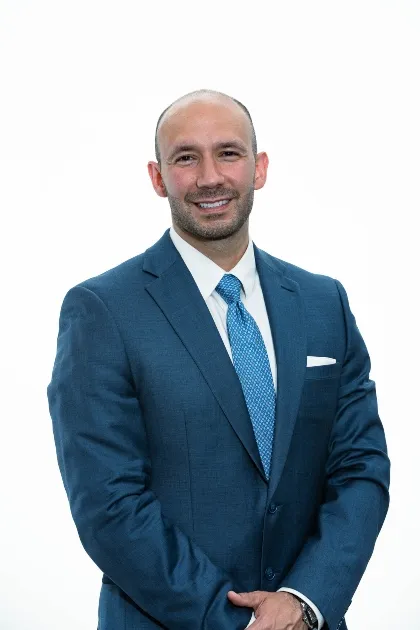
Francisco Guzman, MD
Faculty, Division of Minimally invasive surgery and bariatric surgery
Expert robotic foregut surgeon specializing in gastroparesis, complex reflux, and hiatal hernia
Our Locations
Manhattan
NewYork-Presbyterian/Columbia University Irving Medical Center

The Herbert Irving Pavilion
161 Fort Washington Avenue
New York, New York 10032
Get Maps & Directions »
Westchester
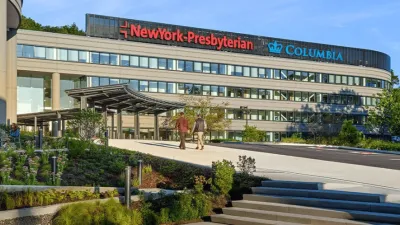
NewYork-Presbyterian The One
1111 Westchester Ave
White Plains, NY 10604
Get Maps & Directions »
We accept a number of insurance plans, and our team can help you confirm your coverage.