
Guide to Fetoscopic Endoluminal Tracheal Occlusion (FETO)
On Page Nav:
Fetoscopic endoluminal tracheal occlusion (FETO) is a minimally invasive fetal surgery used to treat babies with severe congenital diaphragmatic hernia (CDH) before birth.
CDH occurs when an opening in the diaphragm allows abdominal organs to move into the chest, limiting normal lung development. FETO temporarily blocks the fetal trachea (windpipe) with a small balloon, helping fluid build up in the lungs and stimulating lung growth during pregnancy.
Because the balloon blocks the airway, it must later be removed before or during delivery.
Key Info
- FETO is a fetal surgery performed during pregnancy used for select cases of severe congenital diaphragmatic hernia (CDH).
- A small balloon is placed inside the fetal trachea to cause fluid buildup and promote lung growth.
- The balloon must later be removed to allow breathing after birth.
What Is Congenital Diaphragmatic Hernia (CDH)?
Congenital diaphragmatic hernia (CDH) is a birth defect in which the diaphragm — the muscle that separates the chest from the abdomen — does not fully form during fetal development and creates an opening, or hernia.

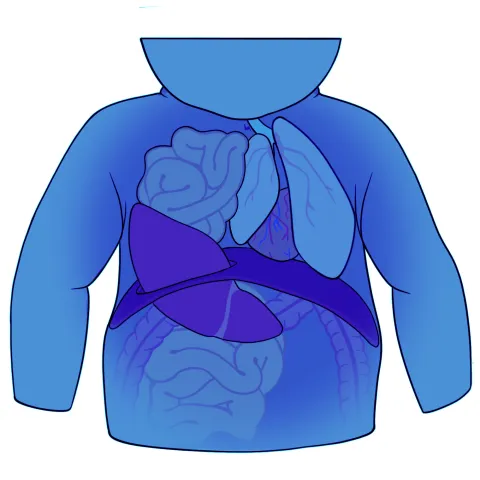
Because of this opening, the stomach, intestines, liver, or other abdominal organs can move into the chest cavity. Because the cavity is now crowded, the developing lungs may not have enough room to grow normally. In cases of severe CDH, babies are born with small, underdeveloped lungs (pulmonary hypoplasia) and severe breathing problems.
What Is FETO?
FETO is a minimally invasive fetal intervention performed while the baby remains in the uterus.
During the procedure:
- A tiny camera (fetoscope) is inserted through the mother’s abdomen and uterus.
- The fetal mouth and airway are carefully accessed.
- A small balloon is placed inside the fetal trachea.
Because the fetal lungs naturally produce fluid, blocking the airway causes fluid to build up inside the lungs. This creates gentle pressure that may stimulate lung expansion and growth before birth.
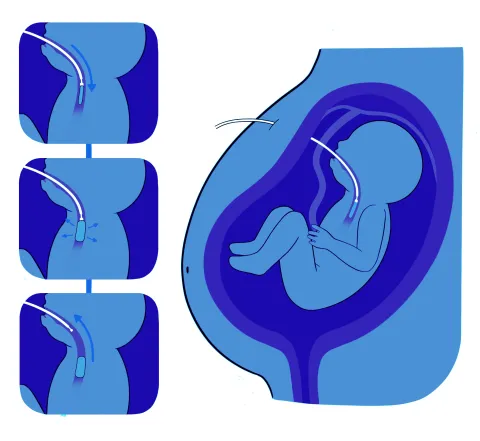
The balloon is later removed so the baby can breathe normally after delivery.
When Is FETO Needed?
FETO may be considered when prenatal imaging shows severe CDH with significant lung underdevelopment (pulmonary hypoplasia). FETO is typically considered when testing shows:
- Severe lung hypoplasia
- Liver herniation into the chest
- High predicted risk of respiratory failure
- No major abnormalities that would make fetal surgery unsafe
What Are the Benefits?
FETO may help:
- Improve fetal lung growth
- Increase survival rates in severe CDH
- Reduce the severity of respiratory failure after birth
- Offer treatment for fetuses with otherwise poor predicted outcomes
The procedure does not repair the diaphragmatic defect itself; surgical repair of the diaphragm is still required after birth.
Who Is a Candidate for FETO?
A fetus may be considered for FETO if there is:
- Severe congenital diaphragmatic hernia
- Significant lung underdevelopment
- Appropriate gestational age
- No major chromosomal abnormalities
- Maternal health suitable for fetal intervention
When During Pregnancy is FETO Performed?
The balloon is typically inserted between 27 and 30 weeks, and remains in the airway for about 4 to 6 weeks. The balloon is removed using a second fetoscopic procedure or ultrasound-guided puncture at around 34 weeks of gestation. In some cases, the balloon is removed during a specialized delivery procedure (EXIT).
What Type of Anesthesia Is Used?
FETO typically involves:
- Maternal regional or local anesthesia with sedation
- Medications to reduce fetal movement and discomfort
The exact anesthesia plan varies by patient and situation.
How Is FETO Performed?
Typical steps include:
- Ultrasound and fetal imaging are used to guide the procedure.
- A small fetoscope is inserted through the mother’s abdomen and uterus.
- The fetoscope is guided into the fetal mouth and trachea.
- A small balloon is placed and inflated inside the trachea.
- The instruments are removed.
The pregnancy is closely monitored afterward. The balloon is removed later in pregnancy, using:
- Fetoscopy
- Ultrasound-guided puncture
- During a specialized delivery procedure (EXIT), if needed.
What Is the EXIT Procedure?
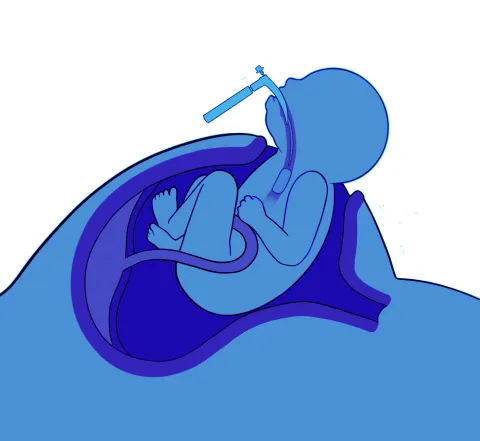
The EXIT (Ex Utero Intrapartum Treatment) procedure is a specialized delivery technique used when a baby may not be able to breathe safely immediately after birth. In babies who undergo FETO, the EXIT procedure may be used if:
- The tracheal balloon cannot be removed before labor
- Airway access is expected to be difficult
- Additional airway support is anticipated
How Is the EXIT Procedure Performed?
Typical steps include:
- The mother undergoes specialized cesarean delivery under anesthesia.
- The baby’s head and upper body are partially delivered.
- Blood flow through the placenta is maintained.
- Surgeons access the fetal airway.
- The tracheal balloon is removed and the airway is secured.
- Once the airway is stable, the umbilical cord is clamped and delivery is completed.
The procedure requires a highly coordinated team with expertise in fetal surgery, pediatric airway management, anesthesia, neonatology, and obstetrics.
What Are the Risks?
FETO and EXIT procedures are highly specialized interventions and carry risks including:
Maternal Risks
- Bleeding
- Infection
- Premature labor
- Premature rupture of membranes
- Cesarean delivery complications
Fetal Risks
- Preterm birth
- Balloon displacement
- Airway complications
- Respiratory failure
What Is Recovery Like?
After FETO:
- Mothers are monitored closely for contractions, bleeding, or fluid leakage.
- Frequent ultrasounds assess fetal growth and lung development.
- Delivery planning occurs at a specialized fetal care center.
After birth:
- Babies usually require intensive neonatal care.
- Surgical repair of the diaphragm is performed after stabilization.
- Long-term follow-up may include pulmonary, feeding, developmental, and surgical care.
Is the Procedure Painful?
Anesthesia helps minimize discomfort during FETO and EXIT procedures. Mild soreness or cramping may occur afterward.
Will There Be Scarring?
FETO uses very small incisions through the abdomen and uterus, resulting in minimal visible scarring.
The EXIT procedure requires cesarean delivery and results in a surgical abdominal scar similar to a traditional C-section.
What Is the Outlook?
For carefully selected patients, FETO can improve survival and lung development in severe CDH. However, outcomes depend on many factors, including:
- Degree of lung development
- Liver position
- Prematurity
- Associated medical conditions
- Response to treatment
Even after successful fetal intervention, babies typically require specialized neonatal care and postnatal diaphragm repair. Long-term outcomes continue to improve as fetal surgery techniques and neonatal care advance.
Next Steps
If you think your baby may benefit from FETO, our doctors can help. As an established leader in fetal procedures, Columbia’s prenatal surgery team combines the skill, experience, and resources required for complex prenatal procedures like FETO. To schedule an appointment or learn more about your options, call 212-342-8586 or use our appointment request form.
This content has been created by Columbia’s Health Guide Team. Learn more about our efforts to bring you the clearest, most accurate, and most human health resources available.
Related