
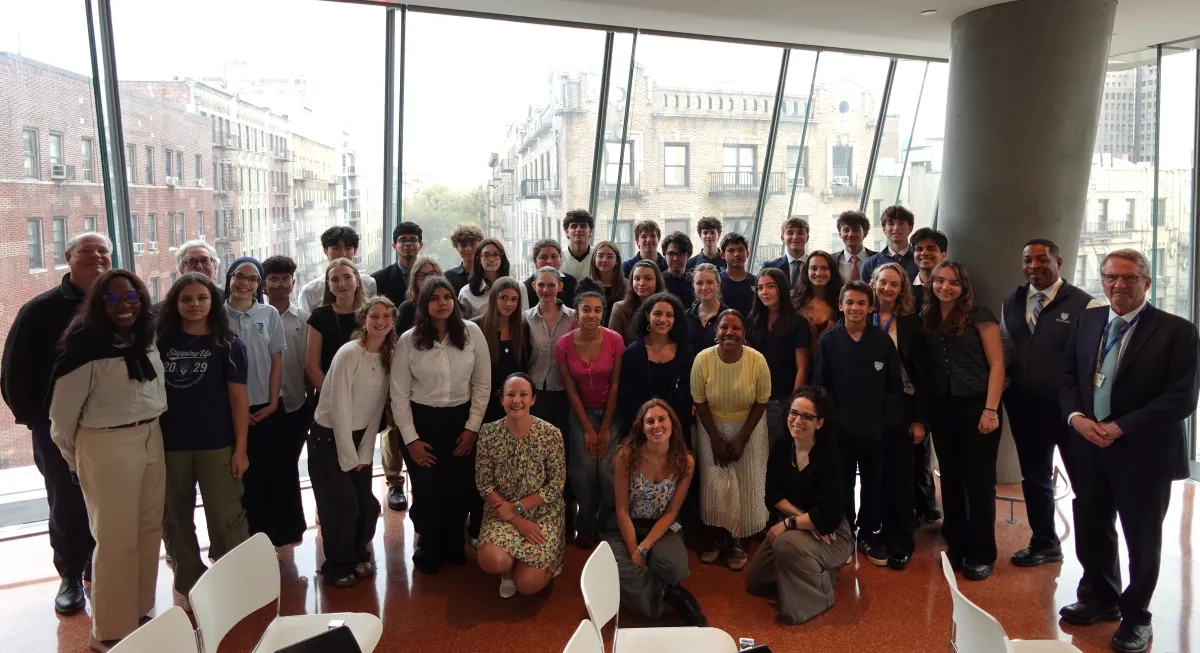
At Columbia University Irving Medical Center, the spirit of discovery and service comes to life through education. Our recent Neuroscience Event on April 15, 2026, brought together students, educators, clinicians, and researchers for a day centered on curiosity, compassion, and collaboration.
The event showcased the work of 28 students, whose enthusiasm and accomplishments left a strong impression on everyone in attendance. In a short amount of time, they took on complex neuroscience topics and presented them with clarity and confidence. Presentation topics ranged widely and included conditions such as OCD, Alzheimer’s disease, Bipolar Disorder, and other neurological and mental health disorders, reflecting both the depth of their learning and the relevance of their work.
Their success was guided by strong mentorship, including leadership from Lisa Wiechmann, MD, breast surgeon at Columbia, along with Haroon Arain, a Columbia alumnus, and support from Sofia Alukal, a Teaching Assistant at Barnard College. Together, they helped shape the program and supported students throughout the process.
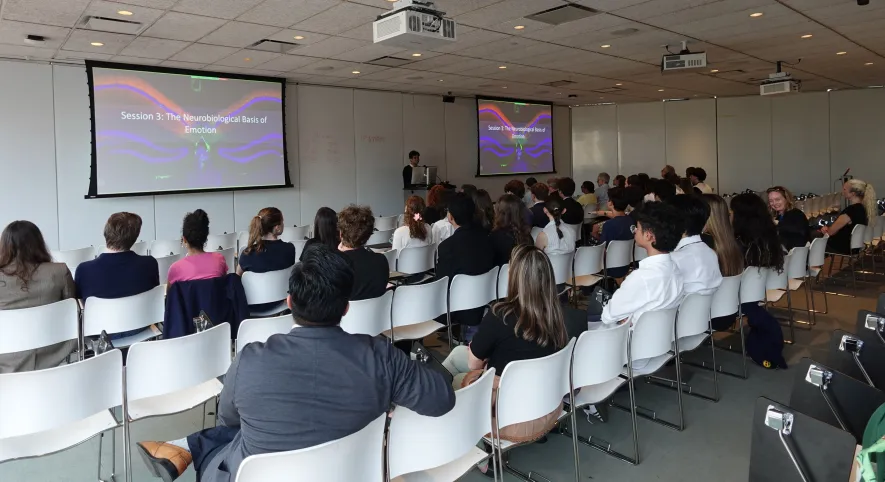
A Truly Global and Distinguished Audience
The Neuroscience Event drew a diverse and engaged audience. Highlights included:
- A student presenter joining live from Italy
- Representation from the New York City Department of Education, including Mr. Joseph Gates
- The Director of Education from the Italian Consulate
- Faculty from Columbia University
- CUNY researchers
- A neurosurgery nurse practitioner from Cornell
- Two 7th-grade students presenting alongside their peers
There was a clear sense of connection across disciplines and backgrounds, all centered around learning and shared purpose.
What stood out most was the level of courage and commitment from the students. They took on challenging subject matter and presented it in front of a highly accomplished audience, something that is not easy to do.
Their work went beyond simply understanding the material. It showed thoughtfulness, effort, and a genuine interest in making sense of real-world health issues.
One of the most memorable moments came during a presentation on Alzheimer’s disease by Alejandro, a 17-year-old and long-time Columbia patient who has been managing Type 1 Diabetes.
He spoke about the effects of sugar on brain health, which resonated with many in the room. A parent in attendance shared that her own mother has early-onset Alzheimer’s and that this was information she had never come across before.
It was a reminder that these presentations can have an impact beyond the classroom, helping people better understand conditions that affect their own lives and families.
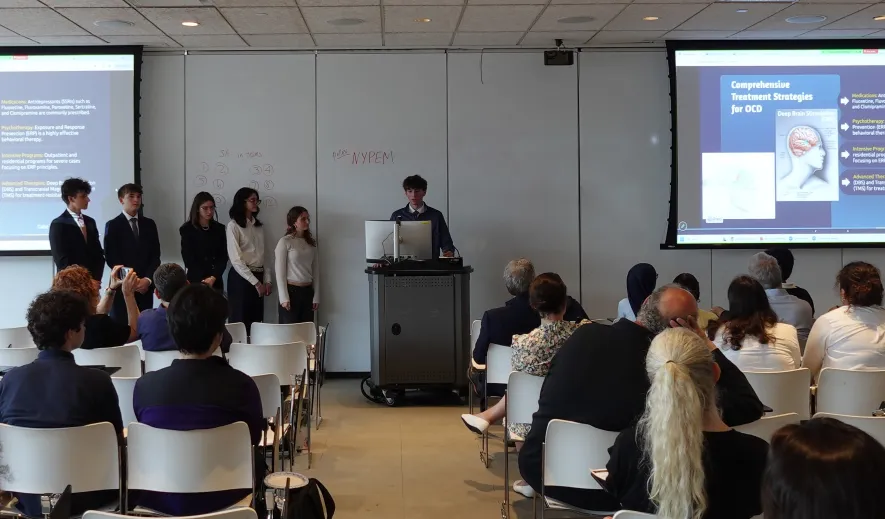
This event is part of a broader effort through CU-HERE (Columbia University Health Sciences Exploration and Research Experience), guided by the idea: “Teach to care.” That message was reflected throughout the day in the topics students chose, the way they presented, and how they connected their work to real-world impact.
As Aristotle said, “What is the essence of life? To serve others and to do good.” That idea continues to shape the program and its goals.
We look forward to sharing more updates and continuing to highlight the work of these students and the broader CUIMC community. The Neuroscience Event is one example of what can happen when students are given the opportunity, guidance, and space to explore meaningful topics.