
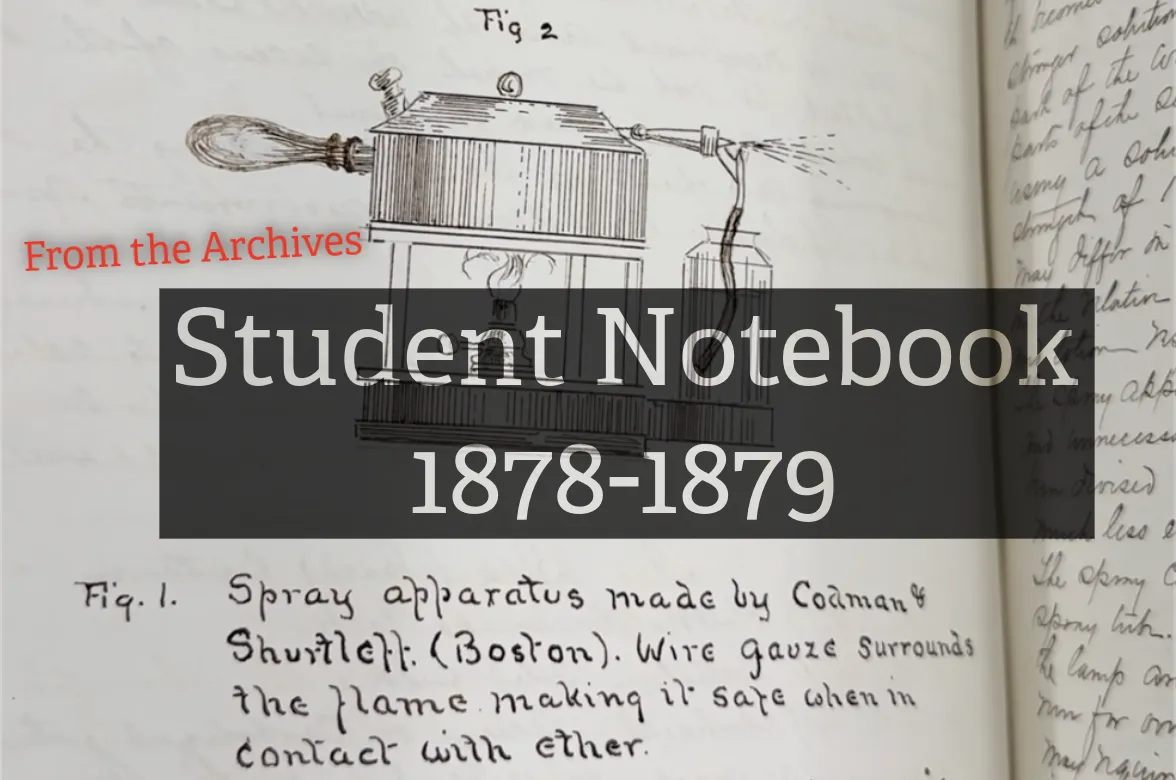
From the Archives is a video series from the stacks of Columbia’s Archives and Special Collections, highlighting rare books and objects that shaped how we study and practice medicine. Each episode takes a closer look at a special, stand-out piece from the collection.
Some of the most revealing records in medical history are not landmark publications, but the notes students kept as new ideas were being taught.
In this episode of From the Archives, Katherine Satriano, head of Archives and Special Collections at Columbia, opens a stunningly detailed student notebook from 1878-1879. The volume is part of a notebook collection spanning the 1780s through the 1960s and records lectures and clinical work observed while training.
The handwriting is precise, pages meticulous, and illustrations rather mesmerizing. “One thing that I think is particularly interesting is seeing when scientific discoveries make it into the classroom,” Satriano says. “When do people start sort of accepting new discoveries enough that they become canon and they become taught?”
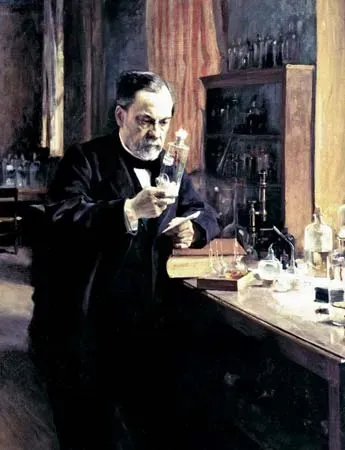
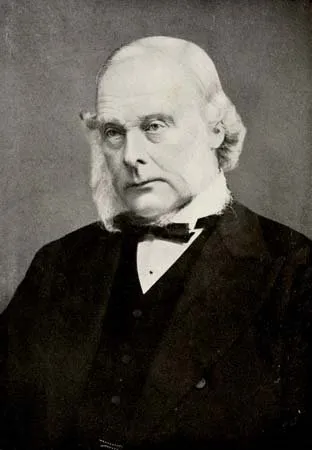
Among the lectures recorded in the notebook is a discussion of Joseph Lister’s antiseptic method. After learning of Louis Pasteur’s work on germ theory, Lister began using carbolic acid in an effort to kill microorganisms near surgical wounds and reduce the infections that made surgery so dangerous.
The student recorded the professor introducing it as “a new method of treating wounds” in the United States, even though Lister had begun practicing the system more than a decade earlier. He also drew the equipment used to distribute carbolic acid around the operating field, including a spray apparatus developed by another professor at Columbia as a less expensive alternative to Lister’s original design.
While the method was effective, acceptance had its limits initially. Germ theory itself was still being debated, and surgeons reportedly found working inside a cloud of carbolic acid less than pleasant. But over time, the results became difficult to ignore. Cleaner operating rooms meant fewer infections, better outcomes, and fewer deaths.
Watch the episode above to see the notebook up close, and tune in next time for another epic piece of medical history.
Related:
- Vesalius’ Epitome: A Book Meant to Be Used
- From Habits to Scrubs: A Brief History of Medical and Surgical Dress
- Decoding Immunity with Computation