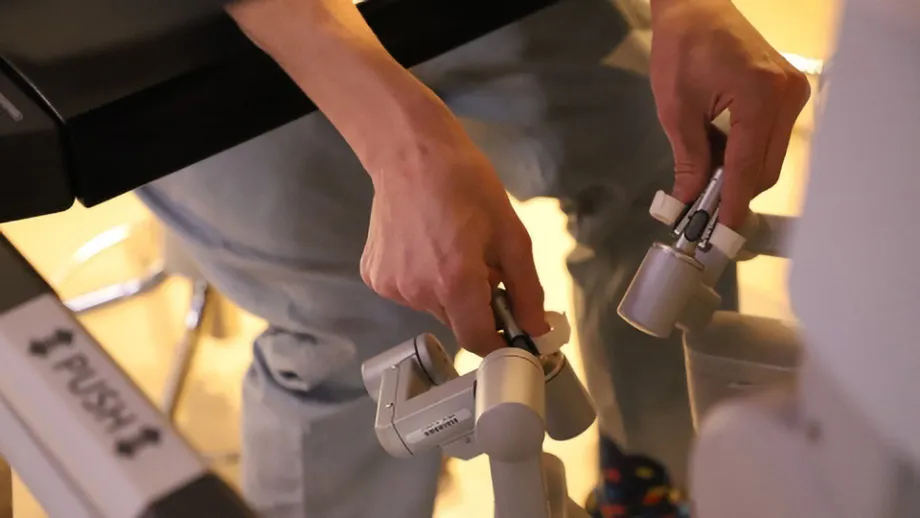
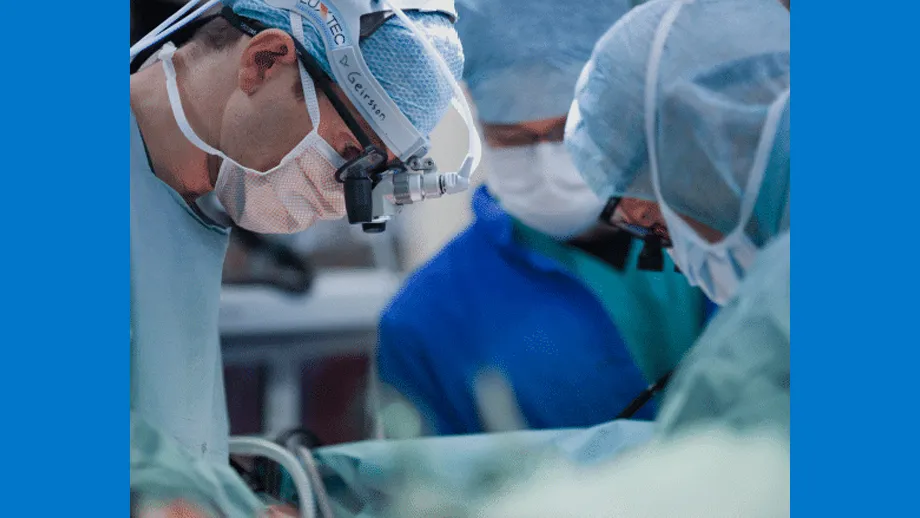
Minimally-invasive surgery to repair the mitral valve has evolved a lot over the years. Dr. Arnar Geirsson shares how robotic surgery works and why it’s a great option for most people who need surgical intervention for mitral valve disease.
We spoke with Dr. Craig Smith about his new memoir, Nobility in Small Things: A Surgeon’s Path. An intimate portrait replete with the wisdom of experience and contemplation. In this expansive interview, Dr. Smith discusses the many themes of his book and the nuance therein.
Cardiac surgeon, Dr. Arnar Geirsson is an expert in the robotic approach to mitral repair. He shares his passion for robotic surgery and what he sees as the future of treatment.
A new study from Columbia researchers shows that Seratonin, which plays an important part of treating mental health in the form of SSRIs, also has a key role in degenerative mitral valve disease, one of the most common heart valve diseases with no current pharmacological treatment.
Nicholas Serwer needed to have his aortic valve replaced, but he had quite a few surgical fears to overcome. He not only overcame those fears, but his fear turned to relief. It turns out nothing was as bad as it seemed.
Gianna took over our Twitter account to talk about her experiences getting a second heart transplant after 28 years with her first heart transplant as a toddler in 1992.
Heart disease and stroke are the leading causes of death in the United States, and the U.S. Preventative Services Task Force just updated the guidelines for aspirin use in heart disease. Here's what you need to know.