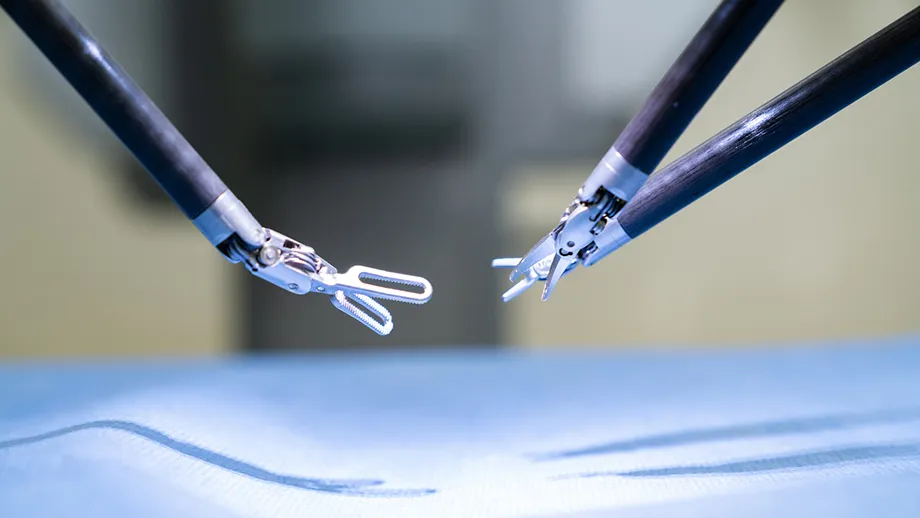
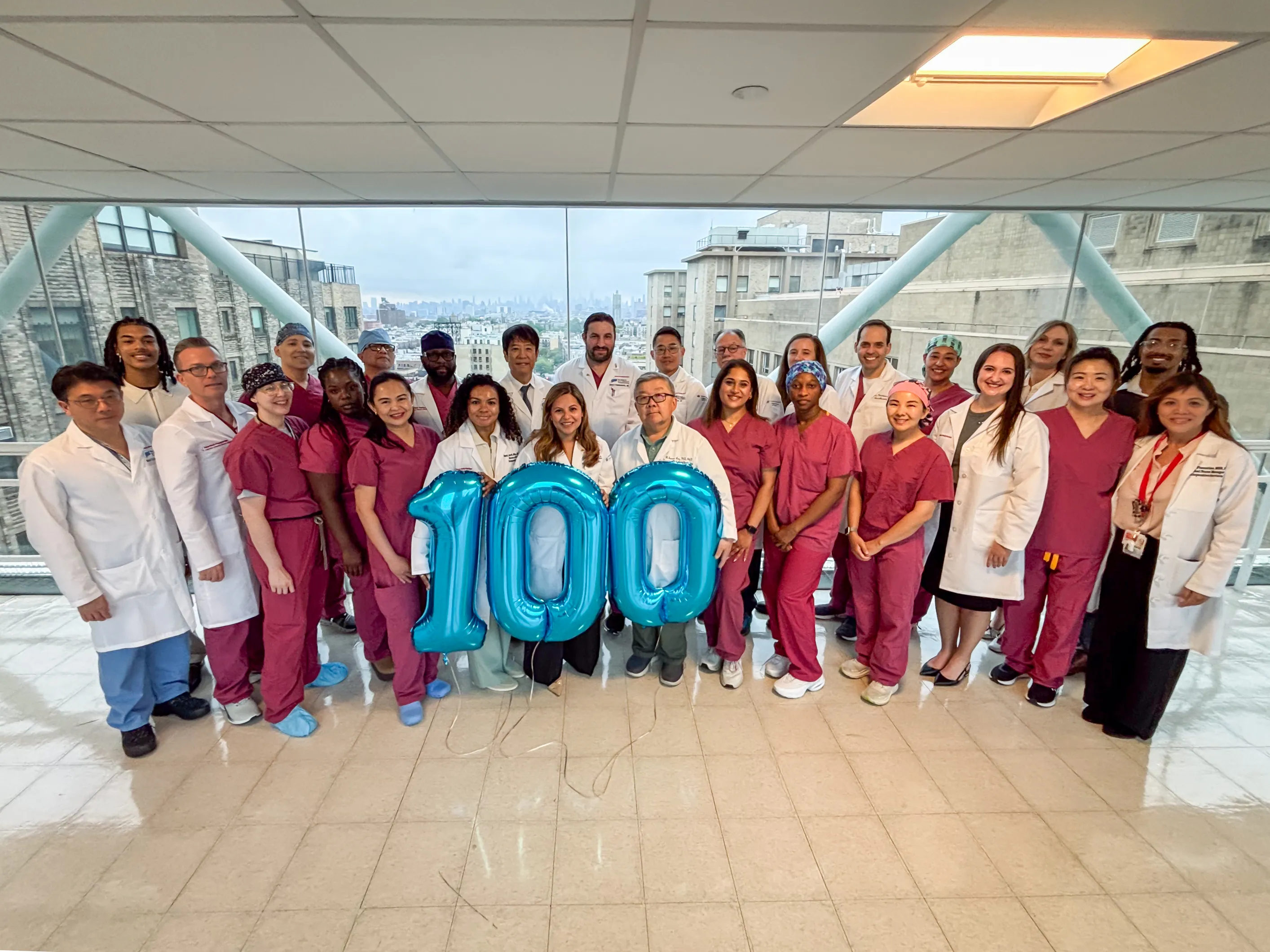
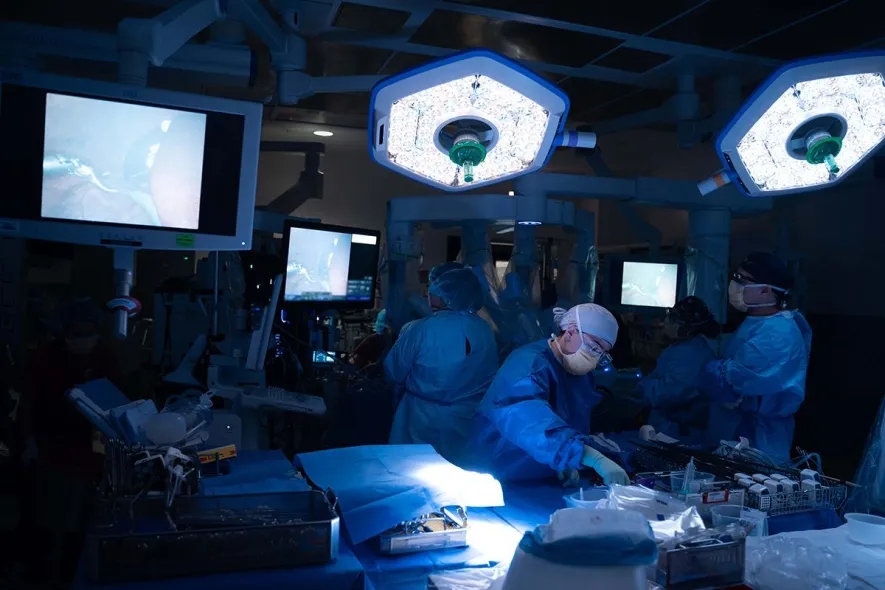
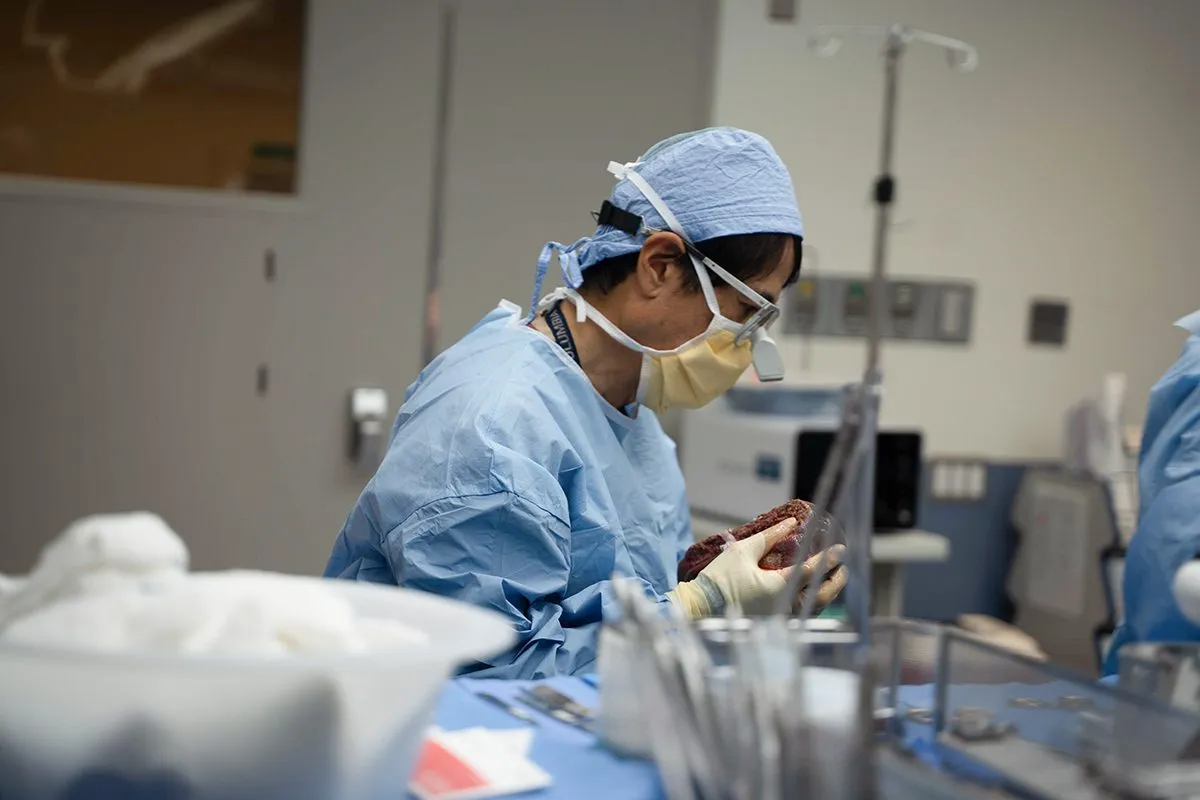
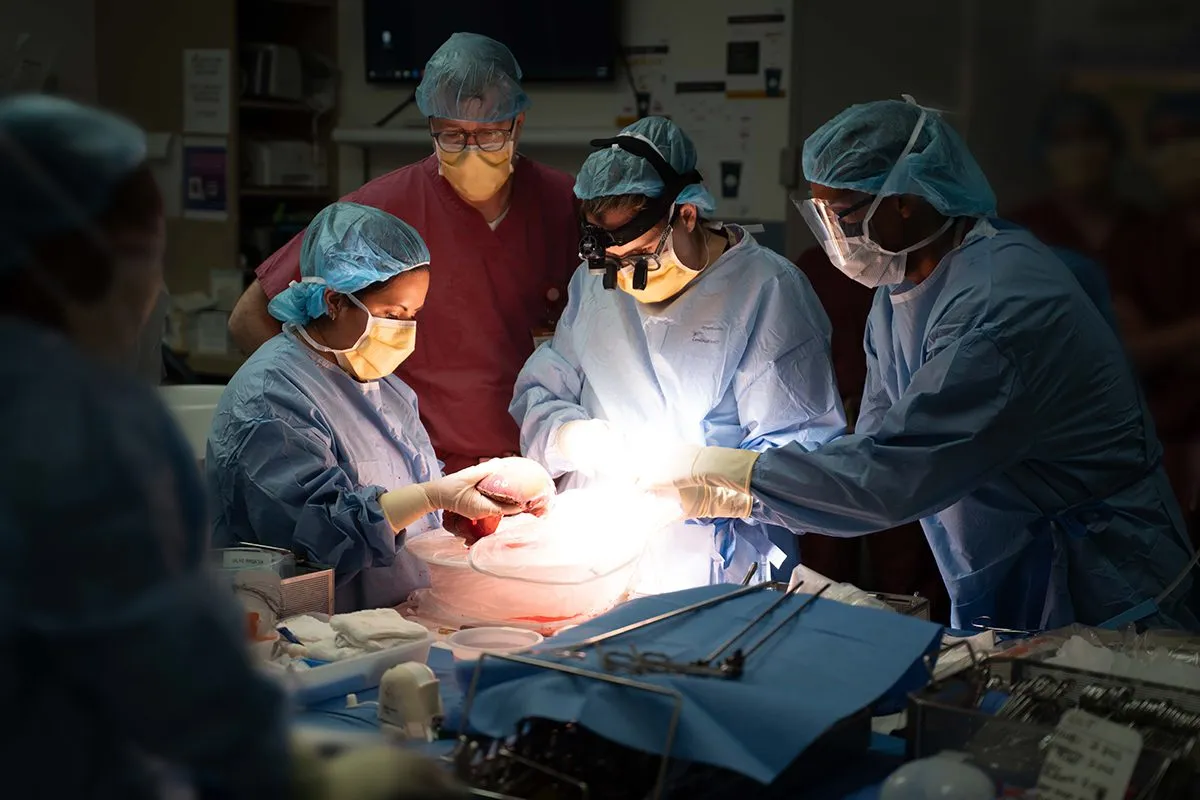
The hundredth robotic living liver case makes Columbia the first program in the country to reach this milestone, though inside the team, the number lands more as a measure of what has changed than what has been achieved.
The immune system is often described as a defense system, but when scientists look closely enough, it begins to resemble something more like a conversation.
An interview with Tomoaki Kato, MD, Chief of Abdominal Organ Transplant and Hepatobiliary Surgery, about the current and future state of liver transplantation.
In a rare procedure involving four patients, a surgical team at NewYork-Presbyterian/Columbia completed a first-of-its-kind transplant in which a recipient got a new liver from a living donor, and their original liver was split to help two people.