
A couple of highlights from around the web that made it into our feeds this week.
How One Father Created an Organ Empire
This deeply reported investigation traces the rise of the National Kidney Registry, from a father’s urgent attempt to help his daughter into a powerful private company shaping living kidney donation nationwide. It asks difficult, necessary questions about where innovation ends and accountability must begin. The story sits squarely at the intersection of access, equity, and trust: how life-saving systems are built, who governs them, and what happens when efficiency, profit, and oversight blur. A rather stark counterpoint to the work many transplant teams—including ours—are doing to expand living donation while keeping patients, donors, and fairness at the center, and it underscores why transparency, guardrails, and a patient-first ethic matter as much as technological progress in transplantation. (from nytimes.com)
In China, A.I. Is Finding Deadly Tumors That Doctors Might Miss
We’re heavy with the New York Times this week, but for good reason. This piece follows a quiet but potentially transformative shift in pancreatic cancer care—using A.I. to spot tumors on routine CT scans before symptoms ever appear. In China, an algorithm flagged early cancers that human eyes had missed, opening the door to surgery where there otherwise would have been none.
The story mirrors a question we’ve been grappling with here, too: how A.I. can function not as a replacement for clinical judgment, but as a backstop, especially in diseases where timing is everything, and specialists aren’t always in the room. As we’ve explored in our recent State of the Union interview on pancreatic care, the promise is real, but so are the trade-offs, false positives, workflow strain, and the need for careful oversight. Early detection saves lives—but only when it’s paired with the right expertise, systems, and trust to act on what the technology finds. (from nytimes.com)
90 Minutes to Give Baby Luna a New Heart
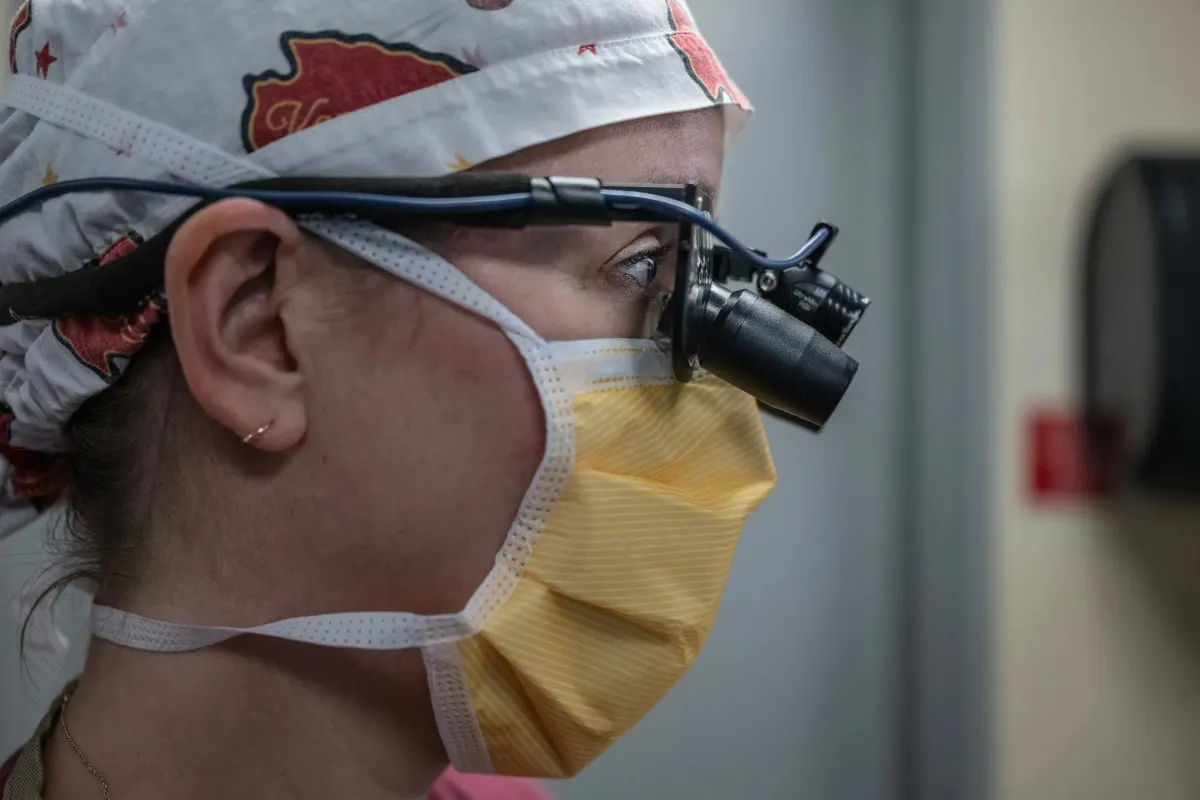
An extraordinary account that follows Luna’s infant heart transplant from within our very walls. Following minute by minute reveals the immense precision required to do these extremely complex operations, down to the millimeter. Documenting all that depends on preparation, teamwork, and steadiness under unimaginable pressure. We follow pediatric heart surgeon Maureen McKiernan, MD, supported by a deeply experienced team, and what’s required to enact systems built to make the impossible survivable. It’s a reminder that behind every headline-making operation is not just technical mastery, but years of collective training, trust, and coordination, because in pediatric transplant, saving a life is never a solo act, and time itself becomes both the enemy and the gift. (from nytimes.com)
Related:
- A Look Inside the 24-hour Dance of a Split-Domino Heart Transplant
- Using AI for Early Detection of Pancreatic Cancer? Five Questions with Dr. John Chabot
- The Art of Matching Kidneys Is Saving More Lives